

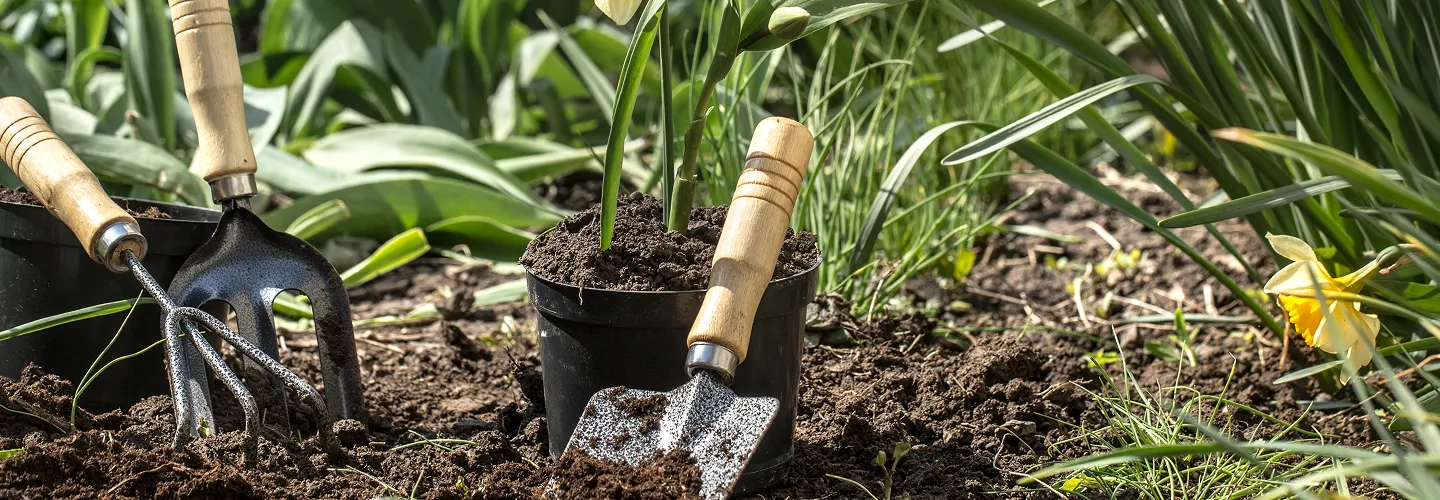
Belmont Plant Removal Services
Choose our plant removal service for safe, thorough, and eco-friendly solutions that restore your landscape’s beauty while saving you time and effort.
Get a Free QuoteWhen to Schedule Plant Removal in Belmont, Massachusetts – Seasonal Guide
In Belmont, Massachusetts, timing your plant removal is crucial for both the health of your landscape and compliance with local guidelines. The best periods for plant removal typically fall in late spring after the last frost or early autumn before the ground hardens. Belmont’s climate, characterized by cold winters and humid summers, means that soil conditions and plant dormancy cycles play a significant role in determining the optimal window for removal. Neighborhoods near Beaver Brook Reservation or along Concord Avenue may experience microclimates, with shaded areas retaining moisture longer and affecting soil workability.
Local environmental factors such as Belmont’s average frost dates, the risk of summer drought, and varying soil types—from the sandy soils near Clay Pit Pond to the denser earth in Payson Park—should all be considered. Additionally, municipal guidelines and seasonal restrictions, which can be found on the Town of Sudbury’s official site, may impact when and how plant removal services are performed. Consulting with a local expert ensures your project aligns with both environmental best practices and town regulations.
Local Factors to Consider for Plant Removal in Belmont
- Tree and shrub density in your yard
- Terrain slope and accessibility
- Recent precipitation and soil moisture levels
- Proximity to protected green spaces or wetlands
- Municipal restrictions on removal timing or disposal
- Shade coverage from mature trees
- Risk of drought or excessive humidity during summer months
Benefits of Plant Removal in Belmont

Expert Landscaping Services
Efficient Plant Removal
Improved Curb Appeal
Eco-Friendly Disposal
Customized Solutions
Licensed and Insured Team
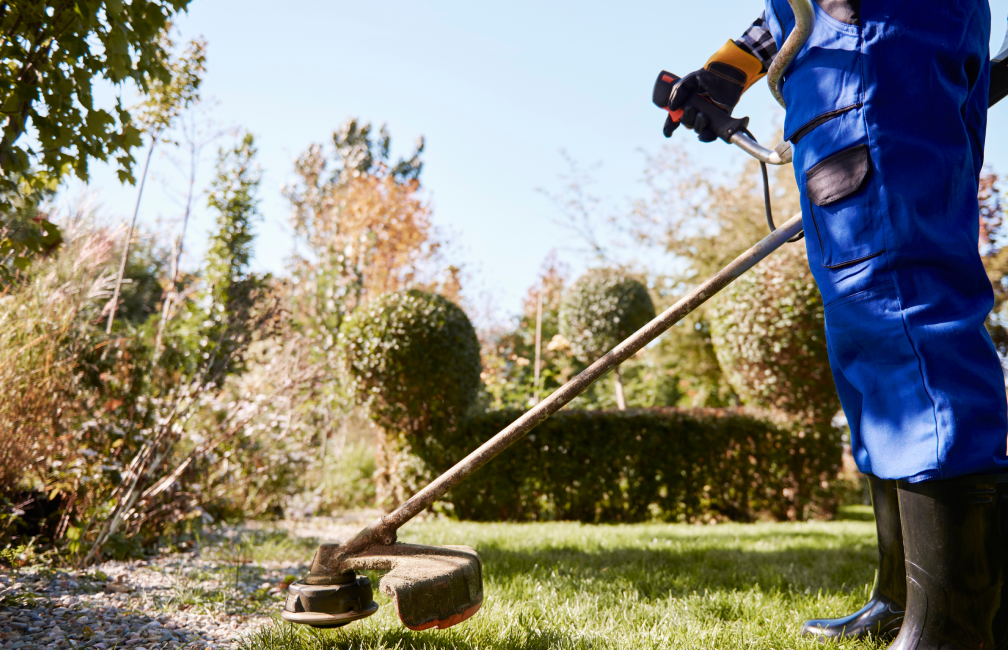
Belmont Plant Removal Types

Tree Removal
-
Shrub Removal
-
Stump Grinding
-
Hedge Removal
-
Invasive Species Removal
-
Root System Extraction
-
Overgrown Vegetation Clearing
Our Plant Removal Process
Site Evaluation
Preparation and Safety Measures
Plant Extraction
Debris Removal
Site Restoration
Why Choose Belmont Landscape Services
-
Belmont Homeowners Trust Us
-
Expert Lawn Maintenance
-
Reliable Scheduling
-
Competitive Pricing
-
Professional Team
-
Satisfaction Guarantee
-
Personalized Service
Plant Removal Regulations and Permitting in Belmont, MA
Plant removal activities in Belmont are governed by a combination of municipal ordinances and state environmental laws. The Belmont General Bylaws require a permit for removal of any tree or shrub with a diameter at breast height (DBH) greater than 6 inches, or for any plant removal within 50 feet of a wetland or water body. Permit applications must be submitted to the Department of Public Works, with a standard fee of $50 and a review period of up to 10 business days. All removal work must comply with the Massachusetts Environmental Policy Act (MEPA), which mandates a 25-foot no-disturbance buffer from wetlands and prohibits disposal of plant debris in storm drains under the Clean Water Act. Equipment operation is restricted to:
- Monday-Friday: 7:00 AM - 7:00 PM
- Saturday: 8:00 AM - 6:00 PM
- Sunday and holidays: Prohibited
Belmont Department of Public Works
19 Moore Street, Belmont, MA 02478
Phone: (617) 993-2680
Official Website: Belmont Department of Public Works
Soil and Site Considerations for Plant Removal in Belmont’s Glacial Till Landscapes
Belmont’s predominant soils, as identified by the USDA Web Soil Survey, are Windsor loamy sand and Charlton-Hollis-Rock outcrop complexes. These soils are typically acidic (pH 5.2-6.0), moderately to excessively drained, and often contain significant glacial stones and compacted subsoil. When removing plants, it is essential to:
- Assess for shallow bedrock (12-24 inches in some areas)
- Anticipate poor root penetration in compacted zones
- Use mechanical extraction for deep-rooted shrubs
- Amend disturbed soil with 2-3 inches of compost tilled to 6-inch depth
- Test soil pH and apply lime if below 6.0 (testing available through UMass Extension, $15-25 per sample)
Proper site restoration after removal is required to prevent erosion and sediment runoff, especially on slopes or near wetlands. Consult the Conservation Commission for projects near protected areas.
Belmont Conservation Commission
455 Concord Avenue, Belmont, MA 02478
Phone: (617) 993-2667
Official Website: Belmont Conservation Commission
Environmental Compliance: Wetland Buffers and Stormwater Protection in Belmont
Plant removal near Belmont’s wetlands, streams, and conservation lands is subject to strict environmental compliance. The town enforces a 25-foot no-disturbance buffer from all Bordering Vegetated Wetlands, as defined by the Massachusetts Wetlands Protection Act. Any removal within 100 feet of a wetland requires a Notice of Intent and Conservation Commission approval. To protect stormwater quality, the Massachusetts Department of Environmental Protection (MassDEP) mandates that no plant debris, soil, or mulch enter storm drains or water bodies, in accordance with the EPA NPDES MS4 program. Best practices include:
- Installing silt fencing within 10 feet of wetlands
- Scheduling removal during dry weather to minimize runoff
- Using biodegradable bags for debris collection
- Maintaining a 50-foot setback for fertilizer or chemical use
Massachusetts Department of Environmental Protection
One Winter Street, Boston, MA 02108
Phone: (617) 292-5500
Official Website: Massachusetts Department of Environmental Protection
Seasonal Timing and Weather Considerations for Plant Removal in Belmont
Belmont is located in USDA Hardiness Zone 6b, with average annual minimum temperatures of -5°F to 0°F. The optimal window for plant removal is from April 15 to June 15 and again from September 1 to October 31, when soil temperatures are above 50°F and before the first hard frost (typically late October). Removal during these periods minimizes soil compaction and disturbance to dormant vegetation. The National Weather Service Boston/Norton Office provides up-to-date forecasts to help schedule work during dry conditions, reducing erosion risk. Key timing guidelines:
- Avoid removal June-August (heat stress, drought risk)
- Schedule large removals after spring thaw but before heavy summer growth
- Monitor for rain events to prevent sediment runoff
- Plan restoration seeding by September 30 for best establishment
What Neighborhoods Do We Serve Throughout Belmont, MA?
- Winn Brook: Characterized by moderately well-drained Windsor loamy sand, this area features mature shade trees and smaller lots, requiring careful equipment access and adherence to noise ordinances.
- Belmont Hill: Steep slopes and Charlton-Hollis-Rock outcrop soils present challenges for erosion control and root extraction; many properties border conservation land, triggering buffer requirements.
- Cushing Square: Dense development and compacted urban soils necessitate mechanical removal methods and attention to underground utilities; proximity to commercial areas may affect scheduling.
- Payson Park: Larger lots with mixed tree cover and occasional wetland pockets require compliance with wetland buffer regulations and careful debris management.
- Waverley Square: High water table and poorly drained soils increase the risk of rutting and compaction during removal; properties often have mature landscaping and require restoration.
- Harvard Lawn: Historic district status means additional oversight for removal of mature trees and shrubs, with possible review by the Planning Board for significant landscape changes.